

Starting from the 2026 season, Char Dham will see mobile phones and camera banned strictly inside all complexes of Badrinath, Kedarnath, Gangotri, and Yamunotri, as stated by Uttarakhand authorities.
This move aims to preserve the sanctity of these sacred sites and ease darshan management for over 5 million annual pilgrims for the Char Dham Yatra starting from April 19, 2026.
While the rule is clear, you should manage communication during a high-altitude pilgrimage like Char Dham Yatra without any risk.
Our guide breaks down exactly what the ban covers, what it means for your visit, and how to stay prepared without your phone so your yatra remains smooth from start to finish.
Char Dham Yatra Mobile Phone Ban – Important Updates For 2026
- Mobile phones and cameras are entirely banned inside all four Char Dham temple complexes (Badrinath, Kedarnath, Gangotri, and Yamunotri) starting from the April 2026 yatra season.
- The Badrinath-Kedarnath Temple Committee has been directed to establish secure cloakroom counters at each temple where devotees can safely deposit their electronic devices before darshan and collect them upon exit, ensuring both compliance and security.
- The ban was implemented after the 2025 season revealed that it was causing disrupted darshan queues, led to a compromising atmosphere, and created challenges for the estimated 5 million annual pilgrims visiting the circuit.
Key Details About Char Dham Mobile Phone and Camera Ban
The new restriction on electronic devices represents one of the most significant policy changes in recent Char Dham Yatra history.
Garhwal Commissioner Vinay Shankar Pandey, who spearheaded this initiative, conducted an extensive review meeting at the Char Dham Yatra Transit Camp in Rishikesh with district magistrates, senior police officials, and department heads from all affected regions.
According to Commissioner Pandey, the decision emerged from careful analysis of challenges faced during the previous pilgrimage season.
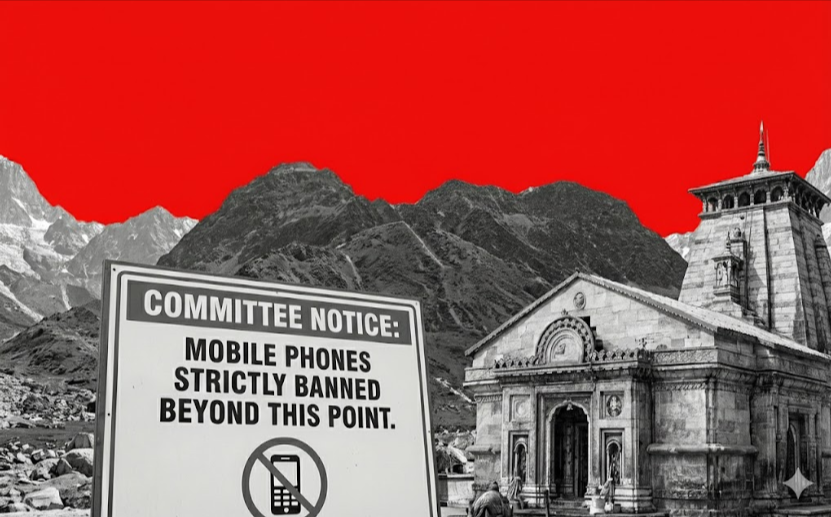
The practice of recording videos and capturing photographs inside temple premises had created multiple operational difficulties, particularly in managing the flow of devotees during peak darshan hours.
The commissioner emphasized the spiritual nature of the journey, stating that pilgrims come with faith and devotion, making it essential to preserve the sacred atmosphere free from distractions.
The ban applies universally across all four Dhams, though implementation varies slightly by location:
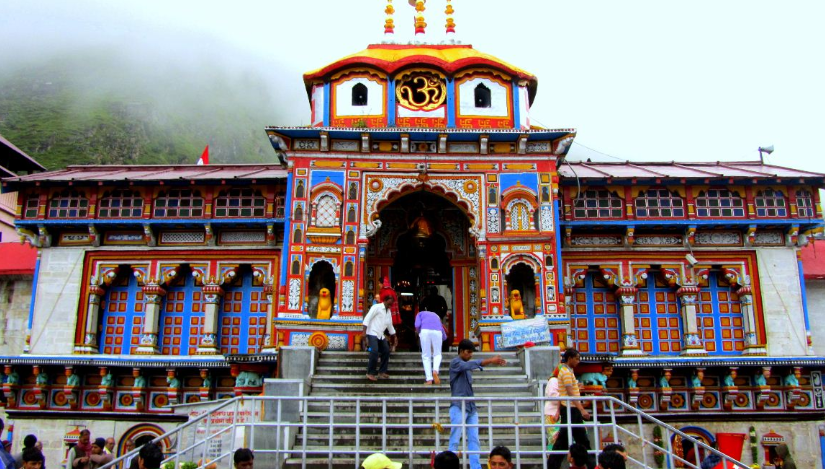
- At Badrinath temple, no cameras or mobile phones will be permitted beyond Singh Dwar, the main entrance gate.
- Similarly, Kedarnath temple will enforce strict prohibition of all electronic recording devices within its premises.
- Gangotri and Yamunotri temples will follow parallel restrictions, with clearly marked boundaries indicating where devices must be deposited.
Pilgrims attempting to bypass the restriction may face confiscation of devices, denial of darshan privileges, or potential legal consequences under temple administration rules.
Pilgrims should note that this rule remains for compliance rather than punitive measures, with authorities expecting devotees to respect the spiritual significance of the regulation.
The rationale behind this decision extends beyond mere crowd management. Temple administrators observed that the constant use of mobile phones detracted from the contemplative and devotional experience that defines the Char Dham pilgrimage.
Devotees were spending more time positioning themselves for photographs than engaging in prayer and spiritual reflection. Additionally, the security and privacy of all pilgrims improve when fewer devices are present in crowded temple spaces.
What Does The Mobile Phone & Camera Ban Mean For Visitors?
Understanding the practical implications of this ban is essential for planning your pilgrimage effectively.
If you have visited Varanasi or any other major pilgrimage centre where mobile phones are banned, the management at Char Dham temples should be similar.

Here is how the authorities would be managing the pilgrims, ensuring their device safety while maintaining the discipline inside the temples.
- Upon arrival at any Char Dham temple, pilgrims will encounter designated cloakroom facilities established by the Badrinath-Kedarnath Temple Committee specifically for device storage.
- These counters will be positioned before the restricted entry points, allowing you to securely deposit mobile phones, cameras, smartwatches with camera capabilities, and any other electronic recording equipment.
- The deposit process is designed for efficiency and security. You’ll receive a token or claim receipt when surrendering your devices, which must be presented when collecting them after completing your darshan.
- These facilities will include proper storage infrastructure with individual lockers or numbered compartments to prevent mix-ups and ensure safe custody throughout your visit.
Temple authorities have committed to maintaining adequate staffing at these counters to handle the millions of pilgrims expected during the season. Device usage remains completely permissible outside the designated restricted zones.
At Badrinath, for instance, you can capture photographs and videos anywhere before Singh Dwar, including the temple’s exterior architecture, surrounding landscapes, and the vibrant spiritual atmosphere of the broader complex.
Similarly, at Kedarnath, while devices are prohibited within the temple structure itself, you’re free to document your journey along the approach routes, at viewpoints, and in areas outside the immediate sacred precinct.
This allows pilgrims to preserve memories of their spiritual journey while respecting the sanctity of the innermost prayer spaces.
Penalties For Using Mobile Phones or Cameras at Char Dham Yatra in 2026
There are no comprehensive penalty schedules announced, and are still being finalized by authorities, but the enforcement of the mobile phone and camera ban will be strict across all four temples.
Violations detected by temple security personnel or police officials will result in immediate consequences designed to uphold the sanctity of the pilgrimage.
Initial violations typically result in device confiscation and denial of darshan privileges for that visit. Security staff have been instructed to maintain vigilance without being intrusive, focusing on educating devotees about the regulations rather than pursuing aggressive enforcement.
However, repeat offenders or those attempting to conceal devices may face escalated penalties.
Temple authorities have indicated that major violations such as attempting to live-stream from inside restricted areas or using hidden cameras could result in formal complaints to local police, potentially leading to legal action.
The exact fine amounts and penalty structure will be published closer to the April 2026 season opening, with clear signage posted at all entry points and information disseminated through official Char Dham Yatra communication channels.
Old Rules For Phone and Camera Usage at Char Dham Temples
Prior to the 2026 season, Char Dham temples operated under more permissive policies regarding electronic devices.
Pilgrims were generally allowed to carry mobile phones and cameras throughout most areas of the temple complexes, including within the main area where the deities are housed.
Photography inside temples was typically discouraged but not strictly prohibited, creating enforcement inconsistencies across different sites.
Some temples had partial restrictions, such as designated “no photography” zones immediately around the deity or during specific prayer ceremonies, but these were neither uniformly applied nor rigorously enforced.
The previous framework relied heavily on pilgrims’ voluntary respect for sacred spaces, which proved insufficient as visitor numbers surged and smartphone photography became ubiquitous.
This lenient approach ultimately contributed to the darshan management challenges that prompted the current comprehensive ban.
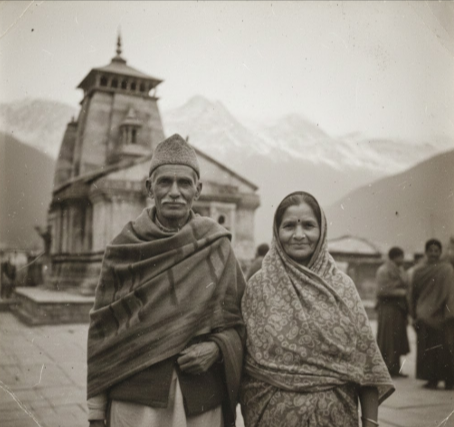
For me, in fact, I wish to visit the Char Dham temples when we had no phones and a pilgrimage didn’t involve taking countless photos, but only one, Much like the image above I found of my grandparents.
For me, in fact, I wish to visit the Char Dham temples when we had no phones and a pilgrimage didn’t involve taking countless photos, but only one, Much like the image above I refurbished of my grandparents.
4 Tips for Carrying Mobile Phones or Cameras at Char Dham Temples
Since we understand how critical it is to have your mobile phones, especially at high altitudes of Char Dham temples, here’s how you can comply with the rules while also ensuring your safety and security.
- Prepare Before You Go
Invest in a secure, waterproof pouch or small lockable bag specifically for storing your mobile phone, camera, power banks, and related accessories during the deposit period. This ensures your devices remain organized and protected while in cloakroom custody, as well as in the Char Dham weather.
More critically, prepare for potential communication gaps by establishing clear meeting points and timelines with your travel companions before separating.
Keep essential contact information written down on paper—hotel addresses, emergency numbers, tour operator details, and group meeting locations.
Consider creating an offline travel plan that includes key timing information for different legs of your journey, ensuring you’re not dependent on your phone for basic navigation or coordination.
For elderly pilgrims and senior citizens planning their Char Dham journey, advance coordination becomes even more essential.
Those traveling in groups should designate one person to remain outside restricted areas with communication devices if immediate contact capability is necessary for health or safety reasons.
- Use Cameras After Darshan
The ban creates an opportunity to experience the temples in a more contemplative, present manner.
Once you’ve completed your darshan and collected your devices from the cloakroom, ample photography opportunities await outside the restricted zones.
The exterior architecture of these ancient shrines, set against the dramatic Himalayan landscape, offers stunning visual compositions that rival any interior shots.
Temple authorities have specifically designated photography-friendly areas where pilgrims can capture meaningful memories with the sacred structures visible in the background, providing souvenir photographs without compromising the experience inside.
Plan to spend additional time after your darshan to properly document your visit in these permitted areas.
- Respect Temple Rules
Compliance with these regulations demonstrates reverence for the sacred nature of the Char Dham pilgrimage and supports temple administrators in maintaining smooth crowd flow for the millions of annual visitors.
Understand that these rules exist to preserve both spiritual authenticity and practical safety helps pilgrims approach the restriction with the proper mindset rather than viewing it as an inconvenience.
- Coordinate With Your Tour Group
If you’re traveling with an organized tour or booking helicopter services for the Char Dham circuit, coordinate device storage with your tour manager or group leader.
Many tour operators are developing protocols where one designated member retains communication capabilities outside the temple while the group completes darshan together.
But please ensure you do not trust any stranger with your valuables. This ensures emergency reachability while maintaining compliance. Discuss these logistics when finalizing your helicopter booking arrangements to ensure seamless coordination throughout your pilgrimage.
Bonus: Please carry cash for emergency situations if you misplace your mobile devices.
Conclusion: Mobile Phone And Cameras Are Strictly Banned Inside Char Dham Yatra Temples in 2026
The mobile phone and camera ban introduced for 2026 yatra at Char Dham temples represents a conscious effort to reclaim the spiritual essence of one of Hinduism’s most important pilgrimage circuits.
While modern pilgrims may initially find the restriction challenging, it offers an opportunity to visit these sacred sites in a more authentic, contemplative manner much as countless generations of devotees did before the digital age.
By understanding the regulations, preparing appropriate alternatives, and approaching the ban with respect, visitors can ensure their 2026 Char Dham Yatra remains both spiritually fulfilling and practically manageable.
The emphasis on devotion over documentation may ultimately enhance rather than diminish the pilgrimage experience starting this April 2026.
FAQs
The ban will be implemented starting from the 2026 pilgrimage season, which typically begins in April when the temples open after winter closure.
You must deposit your mobile phone, camera, and any electronic recording devices at designated cloakroom facilities operated by the Badrinath-Kedarnath Temple Committee. You’ll receive a token to collect your devices after completing darshan.
Yes, photography and videography are permitted outside the restricted temple premises. You can capture images with the temple in the background from designated photography zones beyond the prohibited areas.
The restriction was implemented to preserve the spiritual sanctity of the pilgrimage, improve darshan queue management, and eliminate disruptions caused by devotees recording videos and taking photographs inside temple complexes during the 2025 season.
Mobile phones and cameras allowed beyond Singh Dwar (main entrance) at Badrinath. At Kedarnath, the entire temple complex is restricted. Similar such boundaries exist at Gangotri and Yamunotri, with clear signage indicating where deposits must be made.
Currently, no exceptions have been announced. All pilgrims, regardless of age or circumstances, must deposit electronic devices before entering restricted areas. Emergency communication needs should be planned for in advance through designated meeting points and offline arrangements.