
When you hear “Kedarnath trek,” what comes to mind? Pilgrimage, challenge, or adventure? For many, it’s all three combined into one transformative journey. But, what makes the Kedarnath trek so difficult?
The Kedaranth trek is moderate to difficult, for beginners and even experts. This trek primarily depends on your fitness level, preparation, and understanding of weather and other conditions.
Sitting in the Garhwal Himalayas of Uttarakhand, the Kedarnath trek leads to one of the most revered Shiva temples in India, sitting at an altitude of 3,583 meters.
From this article I will break down every aspect of the Kedarnath trek’s difficulty from my recent experience of visiting the temple, helping you assess whether you’re ready for the challenge and how to prepare effectively for a successful pilgrimage.
Kedarnath Trek Overview – What We Learnt From Last Visit
- Starting Point: The trek begins from Gaurikund, located at 1,982 meters elevation, accessible by road from Rishikesh via Sonprayag.
- Distance & Duration: The one-way trek covers approximately 16-18 kilometers, typically taking 6-9 hours depending on fitness and pace.
- Altitude Gain: You’ll ascend roughly 1,600 meters from Gaurikund to Kedarnath temple at 3,583 meters.
- Terrain Characteristics: The path includes concrete sections, stone-paved stairs, and natural rocky trails with continuous uphill gradients.
- Best Season: May to June and September to October offer ideal conditions; the temple closes during winter (November-April) due to heavy snowfall.
- Weather Patterns: Conditions change rapidly—mornings might be pleasant while afternoons can bring sudden rain or fog, even during favorable months.
What Makes the Kedarnath Trek So Difficult?
The Kedarnath trek presents multiple challenges that combine to create a moderate-to-difficult experience for most pilgrims.
Distance and Elevation Gain:
Covering 16-18 kilometers might not sound extreme, but the continuous ascent of 1,600 meters makes it demanding.
Unlike flat walks, every step requires you to work against gravity, which exhausts leg muscles and cardiovascular system significantly faster than regular walking.
Check out the directions for Gaurikund to Kedarnath temple on Google Maps, showing the elevations for each part of the trek, and finding restaurants and break spots along the way.
Terrain and Trail Conditions:
The path alternates between constructed sections with stairs and natural rocky stretches. Steep stone steps dominate much of the route, particularly challenging for knees during ascent and descent.
During monsoon or early mornings, these stones become slippery, requiring constant attention to footing. Some sections feature loose gravel that can cause stumbles if you’re not careful.
Altitude Effects:
As you climb beyond 3,000 meters, oxygen levels drop noticeably. Many trekkers experience breathlessness, requiring frequent breaks even if they’re generally fit at sea level.
This makes planning your trek to Kedarnath with elders and childrens all the more important.
Symptoms like mild headaches, dizziness, or unusual fatigue are common as your body adjusts to thinner air. The altitude impact varies individually—some barely notice it while others struggle considerably.
Weather and Environment:
The weather for the Char Dham remains unpredictable. Sunny mornings can suddenly turn into cold, rainy afternoons. Temperature drops significantly as you gain altitude, and wind chill adds to the cold.
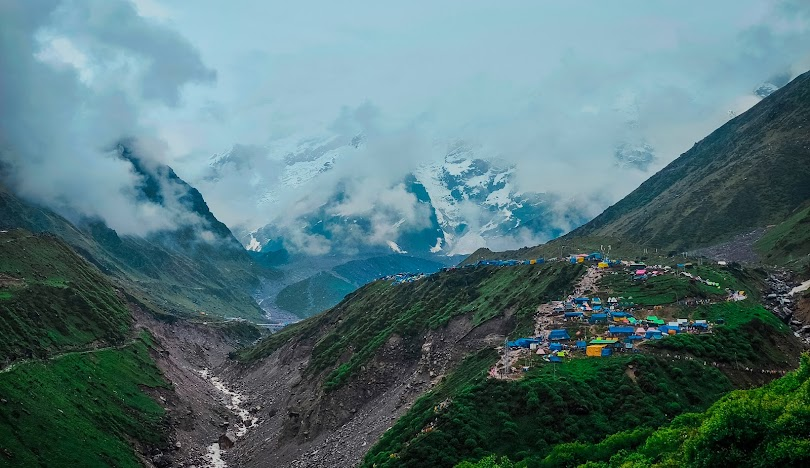
During monsoon, landslides pose risks, and fog can reduce visibility drastically. Even in favorable seasons, prepare for temperature variations from warm valley starts to cold temple surroundings.
Physical and Mental Fatigue:
The sustained uphill grind for 6-9 hours tests both body and mind. Physical exhaustion accumulates as your muscles tire, but mental fatigue from the repetitive climbing can be equally challenging.
Maintaining motivation through discomfort requires mental resilience, especially when the path seems endless.
Logistics and Safety:
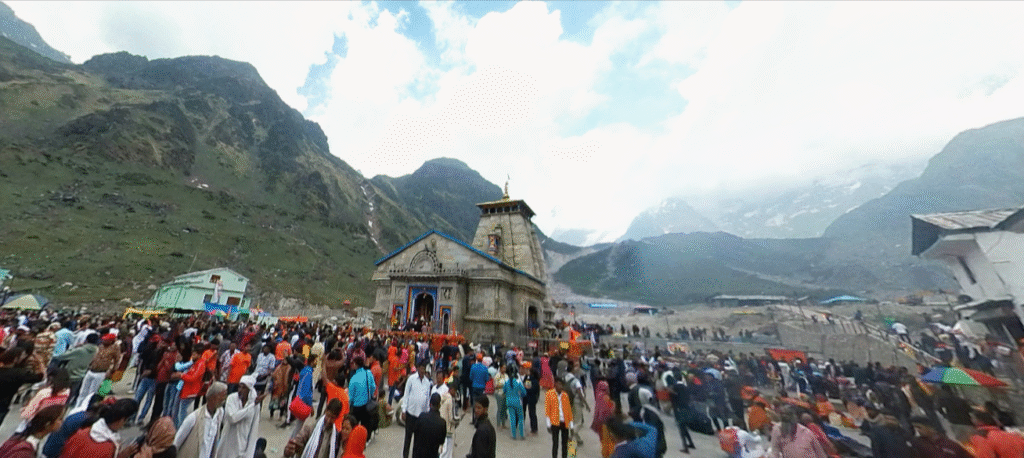
The trail gets crowded during peak season, with thousands of pilgrims, mules, and ponies sharing narrow paths. Mule traffic can create bottlenecks and safety concerns as these animals don’t always stay to one side.
Medical facilities are limited along the route, with only basic first-aid available at a couple of checkpoints. Cell phone connectivity is unreliable, making emergency communication difficult.
Who Is The Kedarnath Trek For?
This trek suits individuals with moderate fitness who can walk continuously for several hours. Regular walkers, occasional trekkers, and pilgrims who maintain active lifestyles typically manage well.
Those with previous trekking experience at altitude have an advantage, but it’s not mandatory. People with strong motivation whether spiritual devotion or adventure spirit often push through physical challenges successfully.
Teenagers and adults up to their 60s commonly complete this trek, provided they’ve prepared adequately and don’t have restricting health conditions.
The report from the Times of India states that the Indian population aged 56 and above are more likely to go on a pilgrimage. As age shows signs of the body’s original strength, this makes the preparation and safety of the Kedarnath trek all the more important for a pilgrim.
Who Is The Kedarnath Trek Not For?
People with serious cardiac conditions, severe respiratory issues, or uncontrolled blood pressure should avoid this trek due to altitude and exertion demands. Those with knee or joint problems will struggle with the continuous stairs and steep descents.
If you’re completely sedentary or haven’t walked more than 30 minutes in recent months, attempting Kedarnath without preparation risks health issues.
Pregnant women, especially in later trimesters, should reconsider due to altitude risks and trail challenges. Very young children (under 5-6 years) may find the distance and altitude overwhelming.
Essentials You Need To Complete The Kedarnath Trek Successfully
Successfully completing the Kedarnath trek isn’t just about showing up at Gaurikund, it requires a combination of physical readiness, mental preparation, and practical planning.
Understanding what you need before embarking on this pilgrimage can make the difference between a rewarding spiritual journey and a struggling ordeal. Here’s what it takes to reach Kedarnath temple successfully and safely.
Fitness Level: You don’t need athlete-level fitness, but moderate cardiovascular endurance is essential. Ability to walk 10-12 kilometers comfortably at lower altitudes indicates reasonable readiness.
If you’re breathing hard after climbing three floors of stairs, you’ll struggle here. A key advice is to prepare your fitness levels for this trek, especially for senior citizens visiting the Char Dham.
Key Skills and Preparation: Building stamina through regular walking or jogging for 4-6 weeks before the trek makes a significant difference. Practice walking on inclines if possible—stairs, hills, or treadmill inclines strengthen the specific muscles you’ll use. Carrying a light backpack during practice walks (5-7 kg) prepares you for actual trek conditions.
Mindset Matters: Mental preparation equals physical readiness. Understanding that the trek will be uncomfortable helps set realistic expectations. Patience with your pace—not competing with faster trekkers—prevents exhaustion. Mental strategies like breaking the journey into smaller segments (“just to the next marker”) help maintain motivation through difficult stretches.
Special Considerations: Older adults should consult physicians and consider starting extra early to avoid afternoon crowds and weather changes. Beginners should start physical preparation at least two months ahead and consider lighter training treks beforehand. Those with minor health concerns can often complete the trek with proper precautions, medications, and slower pacing.
When to Reconsider: If you’ve recently recovered from illness, wait until fully strong. During monsoon (July-August), landslide risks and treacherous conditions make the trek inadvisable. Anyone feeling unwell at high altitude should descend immediately rather than pushing forward.
How to Make The Kedarnath Trek Easier?
To make your trek a lot easier, you should be aware of these critical pointers. Please do not think of these to make your trek absolutely smooth.
Implementing these does not guarantee an effortless journey, but can indeed help
Training and Physical Preparation:
Start walking daily 4-6 weeks before your trek, gradually increasing distance and including stair climbing. Build up to walking 8-10 kilometers comfortably. If possible, practice at slightly higher elevations or simulate altitude training through cardio exercises that elevate heart rate sustainably.
Gear and Clothing:
Layered clothing handles temperature changes—moisture-wicking base layers, insulating mid-layers, and waterproof outer jackets.
Good trekking shoes with ankle support and grippy soles prevent slips and reduce knee strain. Carry a walking stick or trekking poles to distribute load and provide stability. Pack light and only essentials in a comfortable backpack.
Route Strategy:
Start extremely early (4-5 AM) to avoid crowds, complete the trek during optimal weather windows, and reach Kedarnath before afternoon weather changes. Take regular short breaks (5-10 minutes every hour) rather than long exhausting stretches. Acclimatize by spending a night at Gaurikund if arriving directly from low altitude.
Hydration and Nutrition:
Drink water consistently throughout, dehydration worsens altitude symptoms. Carry energy-rich snacks like nuts, chocolates, and glucose for quick energy replenishment. Eat light but regular meals; avoid heavy food that slows you down.
Alternative Options:
Ponies or mules can carry you partially or fully (book at Gaurikund). Palanquins (doli) carried by porters are available but expensive and ethically questionable due to human labor intensity. Helicopter services from Phata/Sersi offer quick access for those unable to trek, though weather-dependent and costly.
Safety Tips:
Check weather forecasts before starting. Inform someone about your plans. Carry basic first-aid and any personal medications. Recognize altitude sickness symptoms (severe headache, nausea, confusion) and descend if they worsen. Stay on marked paths and follow guide instructions if trekking with groups.
Dos and Don’ts for the Kedarnath Trek
Success on the Kedarnath trek isn’t just about physical fitness, it’s also about making smart decisions before, during, and after your journey.
Following these essential dos and don’ts can mean the difference between a memorable pilgrimage and a challenging ordeal, helping you stay safe, comfortable, and respectful throughout your trek.

Dos
Physical Preparation
- Start training at least 4-6 weeks before your trek with daily walks
- Practice climbing stairs or walking on inclines to build leg strength
- Consult your doctor if you have any pre-existing health conditions
- Get adequate sleep in the days leading up to the trek
During the Trek
- Start your trek early in the morning (4-5 AM) to avoid crowds and weather changes
- Walk at a steady, comfortable pace—slow and consistent wins here
- Take regular short breaks (5-10 minutes every hour) rather than long rests
- Drink water frequently throughout the trek to stay hydrated
- Carry energy snacks and eat small amounts regularly
- Use trekking poles or a walking stick for better balance and knee support
- Stay on marked paths and follow route indicators
- Listen to your body—rest when needed and don’t push through severe discomfort
- Dress in layers so you can adjust to temperature changes
- Keep your important documents and medicines in waterproof bags
- Respect the local culture, environment, and fellow pilgrims
- Use designated restroom facilities along the route
- Acclimatize by taking deep breaths and walking slowly at higher altitudes
Safety Measures
- Check weather forecasts before starting your trek
- Carry a basic first-aid kit with personal medications
- Keep emergency contact numbers saved offline
- Inform family or friends about your trekking plans
- Register at checkpoints along the route
- Recognize altitude sickness symptoms (severe headache, nausea, confusion)
- Descend immediately if you experience severe altitude symptoms
Essentials to Carry
- Carry a government-issued ID proof
- Pack a rain jacket or poncho regardless of season
- Bring a flashlight or headlamp with extra batteries
- Carry sufficient cash as ATMs are unavailable on the route
- Keep glucose or energy tablets for quick energy boosts
Don’ts
Before the Trek
- Don’t attempt the trek without any physical preparation if you’re sedentary
- Don’t ignore medical advice if you have heart, lung, or blood pressure issues
- Don’t consume alcohol or smoke before or during the trek
During the Trek
- Don’t rush or try to match the pace of experienced trekkers
- Don’t skip meals or forget to hydrate thinking it will make you lighter
- Don’t carry unnecessary heavy items—pack only essentials
- Don’t wear new shoes; always trek in broken-in, comfortable footwear
- Don’t ignore early warning signs of altitude sickness hoping they’ll pass
- Don’t trek alone if you’re a beginner—join a group or hire a guide
- Don’t use plastic bottles or create litter on the trail
- Don’t feed or disturb mules, ponies, or wildlife
- Don’t stand in the middle of the path blocking other trekkers or animals
- Don’t take shortcuts or venture off marked trails
- Don’t engage in loud conversations or play music that disturbs others
- Don’t overexert yourself trying to complete the trek in record time
Health and Safety
- Don’t continue trekking if you experience chest pain, severe breathlessness, or dizziness
- Don’t take medications without understanding their effects at high altitude
- Don’t ignore weather warnings from locals or authorities
- Don’t put all your trust in mobile phones for navigation, connectivity is poor
Environmental and Cultural
- Don’t litter; carry all waste back with you
- Don’t pick flowers, plants, or disturb natural formations
- Don’t write or carve on rocks, trees, or temple walls
- Don’t disrespect religious sentiments or temple customs
- Don’t take photographs inside the temple without permission
- Don’t create unnecessary noise pollution in the serene environment
Common Mistakes to Avoid
- Don’t overpack thinking you need everything—it only burdens you
- Don’t assume helicopter services will be available as backup—weather causes frequent cancellations
- Don’t rely entirely on ponies or palanquins without booking in advance during peak season
- Don’t expect luxury facilities, this is a mountain pilgrimage with basic amenities
- Don’t underestimate the trek thinking “it’s just walking”
- Don’t compare your progress with others; everyone’s fitness level is different
Do not plan your Kedarnath Darshan during October to May, as the Kedarnath Mandir closes for the period due to heavy rainfall.
Realistic Comparison – How Difficult Compared to Others
To understand Kedarnath’s difficulty objectively, comparing it with other popular treks provides perspective:
| Trek | Distance (One Way) | Altitude | Difficulty Level | Key Challenges |
|---|---|---|---|---|
| Kedarnath | 16-18 km | 3,583 m | Moderate-Hard | Sustained ascent, altitude, crowds |
| Vaishno Devi | 13 km | 1,585 m | Easy-Moderate | Distance but minimal altitude |
| Tungnath | 3.5 km | 3,680 m | Moderate | Shorter but steeper, higher altitude |
| Valley of Flowers | 10 km | 3,858 m | Moderate | Gradual ascent, higher altitude |
| Roopkund | 53 km | 5,029 m | Difficult | Multi-day, extreme altitude |
Kedarnath sits firmly in the moderate-to-hard category. It’s significantly more challenging than Vaishno Devi due to double the altitude gain and thinner air effects.
However, it’s less demanding than multi-day high-altitude treks like Roopkund or Hampta Pass that require camping, technical skills, and extreme altitude acclimatization.
What makes Kedarnath particularly challenging is the combination of factors: the distance isn’t extreme, and the altitude isn’t the highest, but completing it in a single day without acclimatization, often in crowded conditions, elevates the difficulty.
Unlike gradual treks where you camp and acclimatize, most Kedarnath pilgrims ascend rapidly, which intensifies altitude effects.
The trek demands more than casual hiking ability but doesn’t require mountaineering expertise. Someone comfortable with day-long hikes in hilly terrain will find it achievable with preparation, while sedentary individuals will struggle significantly.
While we were climbing with heavy gear, trekking shoes, sufficient water bottles, we even saw an old lady in her late 60s walking with a plastic bag hung on her head, and a pair of Paragon slippers too.
In the end, it also matters on how strong your will power is.
Is The Kedarnath Trek Worth It?
Despite its challenges, the Kedarnath trek delivers rewards that transcend physical accomplishment.
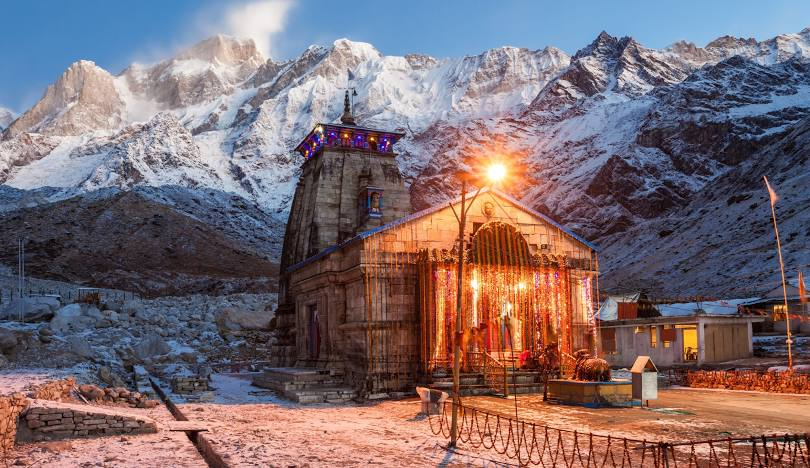
Spiritual Significance:
For devotees, reaching one of the twelve Jyotirlingas holds profound religious meaning. The temple’s ancient origins, its connection to the Pandavas, and Lord Shiva’s blessings make this pilgrimage deeply fulfilling.
Many pilgrims describe emotional overwhelm upon reaching the shrine—tears of joy, gratitude, and spiritual connection that justify every difficult step.
The act of physically striving to reach the temple adds meaning to the pilgrimage itself; easy access wouldn’t carry the same significance.
Scenic Rewards:
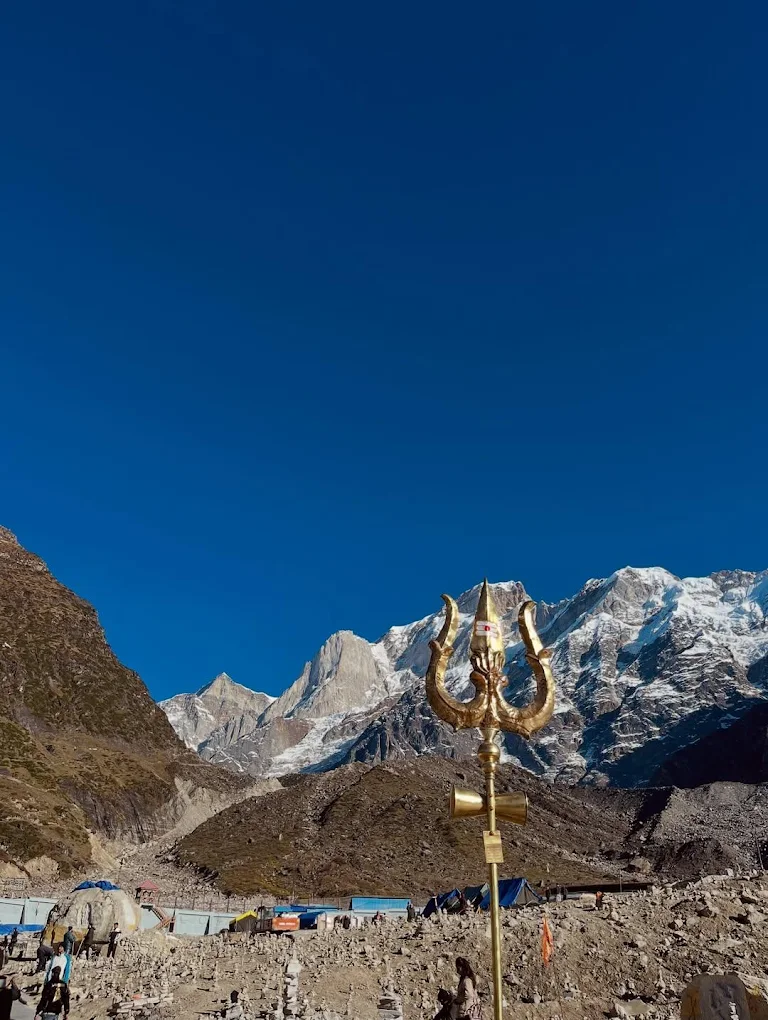
The landscape unfolds dramatically as you climb. Early sections reveal the Mandakini River valley, surrounded by dense forests. Higher up, Himalayan peaks emerge—Kedarnath, Kedar Dome, and Bharatekuntha mountains create a stunning amphitheater around the temple.
The raw, untouched beauty of these mountains, glaciers, and alpine meadows offers visual experiences that photographs can’t capture adequately.
Sense of Achievement:
Completing a challenging trek builds confidence and self-awareness. Pushing through discomfort, managing altitude effects, and reaching your goal despite obstacles creates lasting memories of personal capability.
Many trekkers report that Kedarnath taught them more about their resilience than they expected.
Personal Growth:
The trek strips away daily life distractions, creating space for introspection. Hours of walking provide time to think, reflect, and disconnect from digital chaos. Many describe the journey as meditative, with the physical challenge clearing mental clutter.
The Difficulty as Part of Experience:
The challenges aren’t obstacles to overcome but integral parts of the pilgrimage. Ancient pilgrimage traditions always involved hardship—the difficulty purifies intention and deepens appreciation.
Easy access might increase visitor numbers but would diminish the transformative quality that many seek.
The trek remains worth it for those seeking spiritual connection, natural beauty, and personal challenge.
However, respecting your limits and preparing adequately ensures the experience remains positive rather than traumatic.
4 Alternatives To Trekking Kedarnath & Making Darshan Easier
Trek is the secondary part of the Kedarnath journey, as reaching the Kedarnath starting point involves more than one ways. The trek further makes you consider, if you can really complete the entire distance on foot. Not everyone can or wants to trek the entire distance, and several alternatives exist:
Ponies and Mules (Khacchar):
Available for hire at Gaurikund, these animals can carry you the full distance or partial sections. Cost varies (₹1,500-3,000 depending on season and demand).
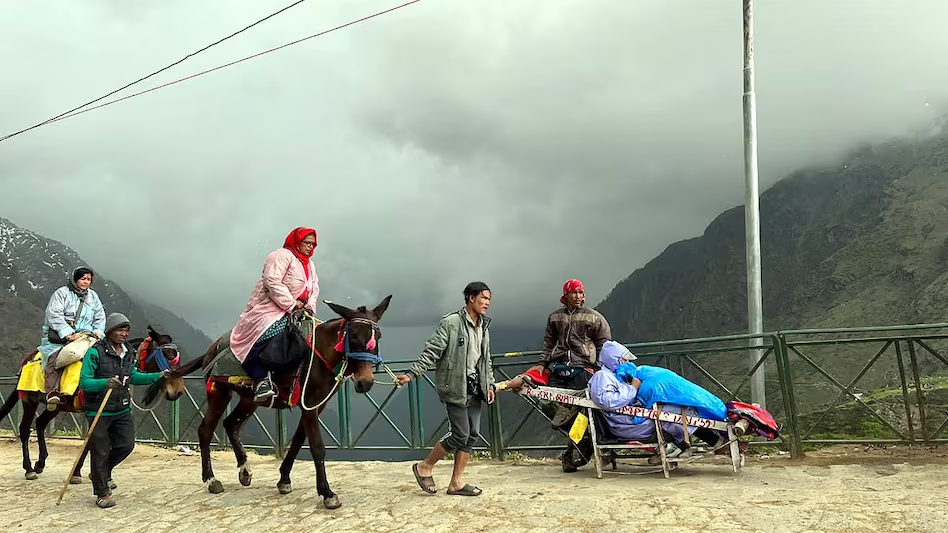
While easier physically, riding mules has drawbacks narrow trail sections become uncomfortable, and animal welfare concerns exist regarding overloading and treatment. Book early during peak season as availability is limited.
Palanquin/Doli:
Traditional palanquins carried by 4-8 porters offer another option, particularly for elderly or mobility-restricted pilgrims.
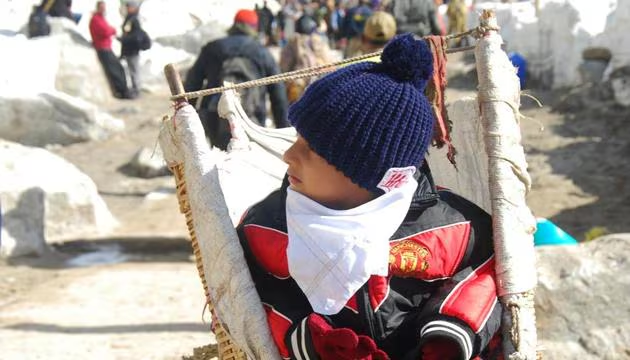
However, this is expensive (₹5,000-15,000) and raises ethical questions about human labor intensity. The carriers work in difficult conditions, and while it provides employment, the physical toll on workers is significant.
Helicopter Services:
Operating from Phata, Guptkashi, or Sersi to Kedarnath, helicopter rides reduce journey time to 10-15 minutes of flight plus minimal walking. Costs range from ₹5,000-8,000 per person depending on route and operator.
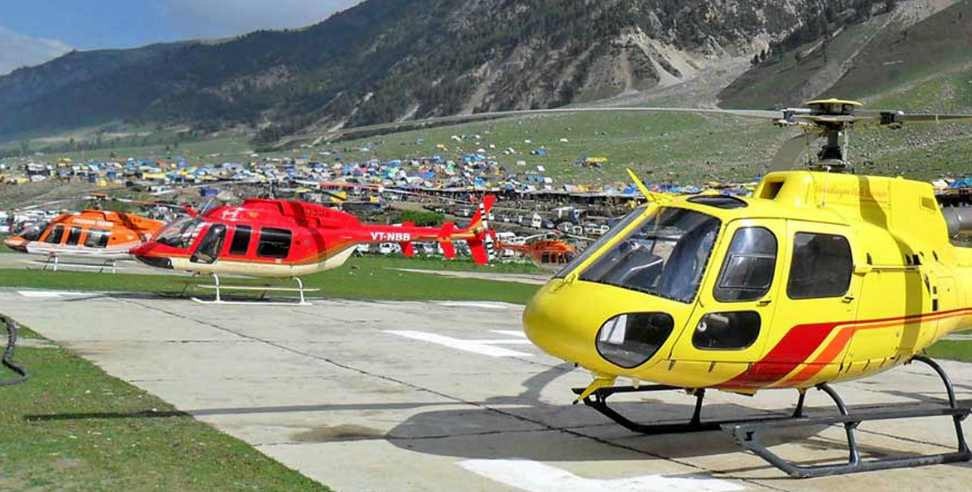
Weather dependency means frequent cancellations, and advance booking is essential during peak season. This option suits those with severe time constraints, health limitations, or altitude concerns.
Kedarnath Ropeway Project (Upcoming):
A transformative infrastructure project is underway that will revolutionize Kedarnath accessibility. Adani Enterprises has been awarded the contract to construct a 12.9-kilometer ropeway connecting Sonprayag directly to Kedarnath temple.
This project, approved under the National Ropeways Development Programme (Parvatmala Pariyojana), will reduce travel time from a 9-hour trek to just 36 minutes.

Using advanced Tri-cable Detachable Gondola technology, the ropeway will transport 1,800 passengers per hour in each direction, with a daily capacity of 18,000 pilgrims.
Construction will take six years to complete. Once operational, this will be the most convenient option for pilgrims of all ages and fitness levels, making the sacred journey accessible to elderly devotees, those with mobility challenges, and visitors with time constraints.
The ropeway eliminates dependence on strenuous trekking, pony rides, or weather-dependent helicopter services, truly democratizing access to this revered shrine.
Conclusion: Kedarnath Trek is Difficult But Manageable
The Kedarnath trek is challenging but not impossible. The combination of distance, altitude, terrain, and weather creates genuine difficulty that shouldn’t be underestimated.
However, with honest self-assessment, adequate preparation, and realistic pacing, most moderately fit individuals can complete it successfully. If Lord Kedarnath calls to you, respond with preparation rather than hesitation.
Build your fitness, gather proper gear, and approach the trek with determination and humility. Whether you walk every step, use alternative transport, or wait for the upcoming ropeway, reaching Kedarnath creates memories that last a lifetime.
FAQs & Misconceptions Answered
Is breathing very difficult at Kedarnath altitude?
Most people experience some breathlessness, especially while climbing, but severe breathing difficulty is uncommon. Walking slowly, taking breaks, and staying hydrated helps manage it. If breathing becomes extremely labored or painful, descend immediately.
Can complete beginners attempt this trek?
Beginners can complete Kedarnath if they prepare adequately—4-6 weeks of training walks makes a significant difference. Starting without any preparation makes the experience unnecessarily difficult and potentially unsafe.
Are children allowed on the trek?
Children above 6-7 years generally manage with proper pacing and encouragement. Younger children struggle with the distance and altitude. Assess your child’s fitness honestly—regular active kids cope better than sedentary ones.
Is the trek dangerous?
The trek isn’t inherently dangerous if you’re reasonably fit and take basic precautions. Major risks come from ignoring weather warnings, pushing through severe altitude symptoms, or attempting it with serious health conditions. Thousands complete it safely each year.
Do you need high-altitude trekking experience?
Previous altitude experience helps but isn’t mandatory. Kedarnath serves as many people’s first high-altitude experience. Understanding altitude sickness symptoms and knowing when to descend matters more than prior experience.
Will I definitely get altitude sickness?
Not everyone experiences altitude sickness. Mild symptoms like slight headaches or breathlessness are common, but severe altitude sickness is relatively rare at Kedarnath’s elevation. Ascending gradually and staying hydrated reduces risks significantly.
Can you hire a Khacchar in the middle of Kedarnath trek?
If you start your trek to Kedarnath temple, and feel like you cannot complete the trek on foot, you can find spots to hire Khacchar to complete the journey. Usually the ones coming down from the dham after dropping someone, are empty and can be considered too.